

How Do U Clean Carpeting That Requires Foam And Not Water
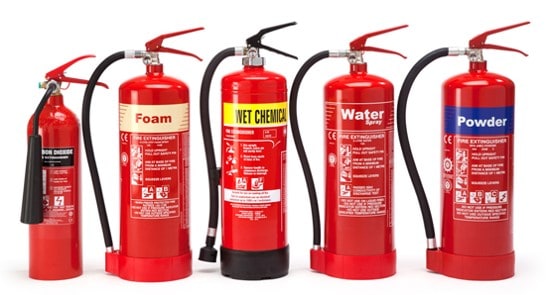
There are 5 main fire extinguisher types – H2o, Foam, Dry Pulverization, CO2 and Wet Chemical.
You should have the right extinguishers for your bounds, or you may not run into current regulations.
Along with ensuring you lot have the right types of burn extinguisher, y'all will also need to make sure that you select the correct sizes and weights. Read more near the current UK extinguisher regulations.
The various types of fire extinguisher put out fires started with unlike types of fuel – these are called 'classes' of fire. The fire risk from the different classes of burn down in your concern bounds will make up one's mind which fire extinguisher types you need.
Whilst there are 5 main types of burn extinguisher, there are dissimilar versions of both the Water and Dry Pulverisation extinguishers, pregnant there are a total of viii fire extinguisher types to choose from. The 8 types of fire extinguisher are: –
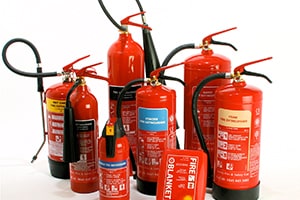
– Water
– Water Mist
– Water Spray
– Foam
– Dry Powder – Standard
– Dry Pulverisation – Specialist
– Carbon Dioxide ('CO2')
– Wet Chemical
There is no one extinguisher type which works on all classes of fire.
Below is a summary of the classes of fire, and a quick reference chart showing which types of extinguisher should be used on each. We then provide a detailed caption of each type of fire extinguisher below.
Classes of burn down
There are six classes of fire: Course A, Grade B, Class C, Class D, 'Electrical', and Course F. –
– Class A fires – combustible materials: caused by flammable solids, such as wood, paper, and fabric
– Class B fires – combustible liquids: such every bit petrol, turpentine or paint
– Class C fires – flammable gases: like hydrogen, butane or methane
– Class D fires – combustible metals: chemicals such equally magnesium, aluminium or potassium
– Electrical fires – electrical equipment: once the electric item is removed, the fire changes course
– Class F fires – cooking oils: typically a chip-pan fire
Which extinguisher is used for each form of fire? – quick guide
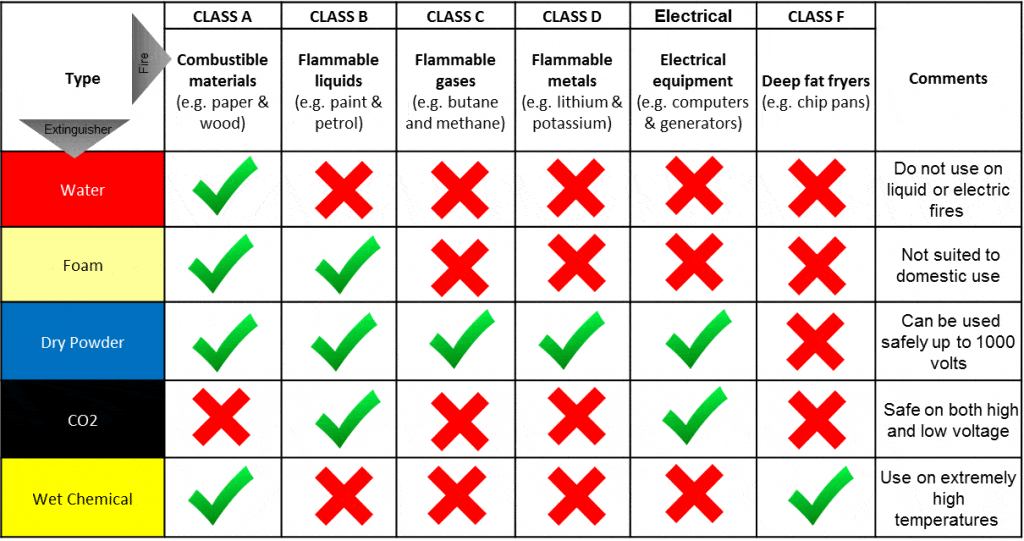
Different types of fire extinguisher – a detailed guide
Water Extinguishers
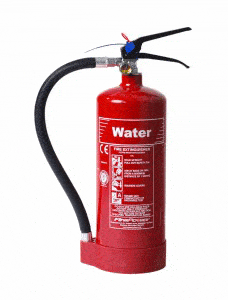
Overview:
Water burn extinguishers are the most common extinguisher type for class A burn risk. Most premises volition require either water or cream extinguishers.
Characterization Colour:
– Bright Blood-red
Apply for:
– Organic materials such equally:
o Newspaper and paper-thin
o Fabrics and textiles
o Wood and coal
Exercise not use for:
– Fires involving electric equipment
– Kitchen fires
– Flammable gas and liquids
How water extinguishers work:
The water has a cooling issue on the fuel, causing it to fire much more slowly until the flames are eventually extinguished.
Types of bounds/concern who may need water extinguishers:
– Buildings constructed of forest or other organic materials
– Premises where in that location are organic materials to exist establish such every bit:
o Offices
o Schools
o Hospitals
o Residential properties
o Warehouses
In fact, most buildings demand either water or cream extinguishers.
Where to locate water extinguishers:
– Past the exits on a flooring where a Grade A fire risk has been identified
Water spray extinguishers – what'south the difference?:
Water spray extinguishers are equipped with a spray nozzle, rather than a jet nozzle, significant a greater area can be covered more quickly and the fire put out more than rapidly.
Water mist extinguishers – what's the difference?:
Water mist extinguishers have a dissimilar blazon of nozzle again which releases microscopic h2o particles. These particles 'suffocate' the fire and as well create a wall of mist between the burn and the person using the extinguisher, reducing the feeling of heat.
Contact us to buy h2o burn extinguishers
Foam Extinguishers
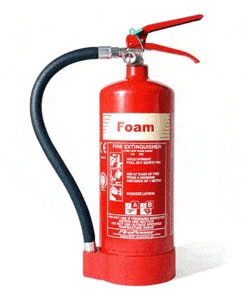
Overview:
Foam burn down extinguishers are most common type of extinguisher for Form B fires, but likewise work on Course A fires as they are water-based.
Label Colour:
– Cream
Use for:
– Organic materials such as:
o Paper and cardboard
o Fabrics and textiles
o Woods and coal
Plus:
– Flammable liquids, like paint and petrol
Practise not use for:
– Kitchen fires
– Fires involving electrical equipment
– Flammable metals
How foam extinguishers work:
Every bit with water extinguishers, cream extinguishers have a cooling effect on the fuel. On called-for liquids, the foaming agent creates a barrier betwixt the flame and the fuel, extinguishing the burn.
Types of premises/business who may need Foam extinguishers:
– Buildings constructed of wood or other organic materials
– Bounds where there are organic materials to exist found such as:
o Offices
o Schools
o Hospitals
o Residential backdrop
o Warehouses
– Buildings where flammable liquids are stored
In fact nigh buildings need either water or cream extinguishers
Where to locate foam extinguishers:
– By the exits on a floor where a Class A or Class B burn down risk has been identified
Contact us to buy foam fire extinguishers
Dry Powder Extinguishers
Overview:
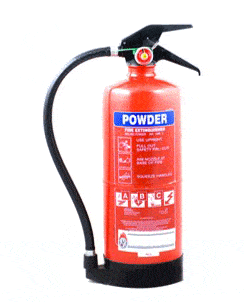
Standard dry out pulverization fire extinguishers are also chosen 'ABC' extinguishers because they tackle class A, B and C fires, however, they are not recommended for use in enclosed spaces. This is because the pulverisation can exist hands inhaled, and besides the rest is very difficult to clean up subsequently. ABC powder extinguishers can also be used on some electrical fires. Specialist dry powder extinguishers are used for flammable metals.
Characterization Colour:
– Blueish
Utilise for:
– Organic materials such as:
o Newspaper and cardboard
o Fabrics and textiles
o Wood and coal
Plus:
– Flammable liquids, like pigment and petrol
Plus:
– Combustible gases, like liquid petroleum gas (LPG) and acetylene
Plus:
– Fires involving electrical equipment upward to 1000v
Specialist dry powder extinguishers are only used on flammable metals, such as titanium and magnesium.
Do not use for:
– Fires involving cooking oil
– Fires involving electrical equipment over 1000v
– or in enclosed spaces, such as offices or residential properties
How dry powder extinguishers work:
Dry powder extinguishers smother fires by forming a barrier between the fuel and the source of oxygen.
Types of premises/business who may demand Dry Pulverisation extinguishers:
– Businesses using flammable gases for chemical processes
– Premises where welding and flame cutting takes place
– Garage forecourts
– Liquid petroleum gas (LPG) dispensing plants
– Bounds with large, commercial boiler rooms
Where to locate Dry Powder extinguishers:
– Place dry powder extinguishers near to the source of the fire risk.
Specialist Dry Powder extinguishers – what'southward the divergence?:
Specialist dry powder extinguishers work in the same way equally standard dry out powder extinguishers but are for use with flammable metals only. There are 2 types of specialist dry pulverisation extinguishers – 'L2' which only tackles lithium fires, and 'M28', for all other flammable metallic fires.
Contact u.s. to purchase dry pulverisation fire extinguishers
Carbon Dioxide (CO2) Extinguishers
Overview:
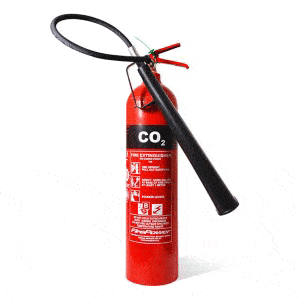
CO2 fire extinguishers are predominantly used for electrical burn down risks and are usually the principal extinguisher blazon provided in reckoner server rooms. They also put out Class B fires (flammable liquids, such equally paint and petroleum).
Label Colour:
– Blackness
Use for:
– Flammable liquids, like pigment and petrol
– Electrical fires
Exercise non employ for:
– Kitchen fires – especially scrap-pan fires
– Combustible materials like paper, wood or textiles
– Flammable metals
How CO2 extinguishers work:
CO2 extinguishers suffocate fires past displacing the oxygen the fire needs to fire.
Types of bounds/business organisation who may need CO2 extinguishers:
– Premises with electrical equipment, such every bit:
o Offices
o Kitchens
o Construction sites
o Server rooms
All work vehicles should also carry a smaller 2kg CO2 extinguisher.
Where to locate CO2 extinguishers:
– Place near to the source of the fire risk and/or nearly the fire exits.
Contact us to buy CO2 fire extinguishers
Moisture Chemical Extinguishers
Overview:
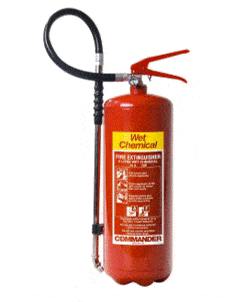
Moisture chemical fire extinguishers are designed for utilise on Class F fires, involving cooking oils and fats. They can also be used on Form A fires although it is more common to have a foam or h2o extinguisher for this type of fire risk.
Label Colour:
– Xanthous
Use for:
– Cooking oil/fat fires
– Organic materials such as:
o Paper and cardboard
o Fabrics and textiles
o Wood and coal
Do not employ for:
– Flammable liquid or gas fires
– Electrical fires
– Flammable metals
How wet chemical extinguishers work:
Wet chemic extinguishers create a layer of cream on the surface of the called-for oil or fat, preventing oxygen from fuelling the fire any further. The spray likewise has a cooling effect.
Types of bounds/business who may need wet chemic extinguishers:
– Commercial kitchens
– Canteens
Where to locate moisture chemic extinguishers:
– Place near to the source of the burn down hazard.
Contact usa to buy wet chemical fire extinguishers
Nosotros promise this guide to the different types of fire extinguisher and which classes of fire they are used for has been helpful.
Our guides on fire extinguisher colours and extinguisher legislation may be useful too.
For further reading see our posts on what fire extinguisher should non be used in confined spaces and how oft burn down extinguishers should be checked.
If you yet have questions, or if you'd like to volume a gratis survey of your premises by one of our BAFE registered extinguisher engineers, please just telephone call the states on 0800 157 1113 or email u.s. at info@surreyfire.co.uk.
Alternatively, yous can ask us to call you dorsum by clicking on the link below.

Source: https://surreyfire.co.uk/types-of-fire-extinguisher/
Posted by: alejoroce1967.blogspot.com
0 Response to "How Do U Clean Carpeting That Requires Foam And Not Water"
Post a Comment